
Ado-trastuzumab emtansine, also known as T-DM1, is a groundbreaking antibody-drug conjugate (ADC) utilized in targeted cancer therapies, particularly for HER2-positive breast cancer. As a research-grade biosimilar, it enables cost-effective and high-quality options for laboratory investigations, drug development, and preclinical testing.
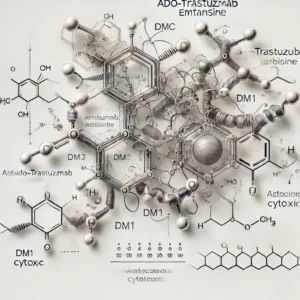
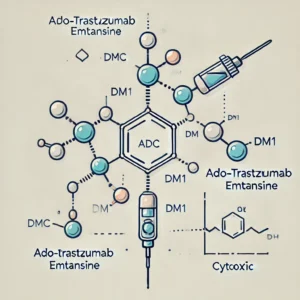
T-DM1 combines trastuzumab, a monoclonal antibody targeting HER2 (human epidermal growth factor receptor 2), with DM1, a cytotoxic agent. This unique mechanism ensures selective delivery of the drug to HER2-positive cancer cells, sparing healthy tissues and reducing systemic toxicity. To explore detailed studies on HER2 biology, visit resources such as National Cancer Institute (NCI) and PubMed Central (PMC).
Mechanism of Action
T-DM1 exerts its therapeutic effects by binding to HER2-overexpressing cells. Upon binding, the conjugate is internalized and undergoes proteolytic degradation, releasing DM1 to inhibit microtubule assembly and induce apoptosis in cancer cells. You can learn more about ADC mechanisms from NIH’s National Library of Medicine and FDA’s biosimilar guidelines.
Applications in Research
The research-grade biosimilar of Ado-trastuzumab emtansine serves as an indispensable tool in several domains:
- Drug Resistance Studies: Investigating mechanisms of acquired resistance to HER2-targeted therapies using insights from ClinicalTrials.gov.
- Combination Therapy Exploration: Evaluating synergy with immune checkpoint inhibitors, as detailed on Cancer Research UK.
- Pharmacokinetics Analysis: Studying ADC stability and biodistribution, supported by resources like the American Association for Cancer Research (AACR).
Advantages of the Research-Grade Biosimilar
- Cost-Effective: Compared to clinical-grade alternatives, it provides affordability for preclinical trials.
- High Purity: Meets stringent quality standards for reproducibility in research.
- Ease of Accessibility: Facilitates academic and industrial collaborations. More on biosimilar accessibility can be found on the World Health Organization (WHO).
Biosimilars and Regulatory Insights
The growing adoption of biosimilars is supported by robust regulatory frameworks. For information on biosimilar approval pathways, visit the European Medicines Agency (EMA) and FDA. Ado-trastuzumab emtansine’s biosimilar development aligns with these guidelines, ensuring equivalency in efficacy and safety.
Potential Research Opportunities
- Targeted Delivery Systems: Optimizing payloads for enhanced cytotoxic effects (NIH).
- Resistance Pathway Mapping: Understanding tumor microenvironment adaptations (PubMed).
- Biomarker Validation: Identifying predictive markers for therapeutic efficacy (NCI).Conclusion
The research-grade biosimilar of Ado-trastuzumab emtansine represents a valuable asset in advancing oncology research. With its cost-effectiveness and scientific precision, it opens new avenues for understanding and treating HER2-positive cancers. For further information, refer to trusted academic and government resources such as FDA, NIH, and PubMed.